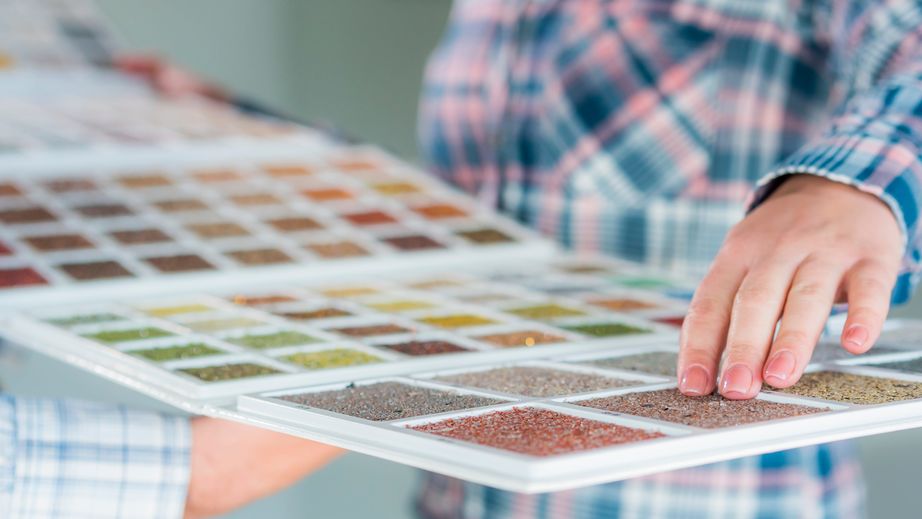
Buying carpet can feel overwhelming, especially when you’re trying to balance quality, durability, and price. With so many “discount” offers on the market, it’s not always clear whether you’re getting a great value or just low-quality carpet that won’t last. Understanding what separates a true deal from a bad purchase can save you money and frustration in the long run.
How to Find a Good Carpet Deal
A good carpet deal is about finding the best value for your investment. High-quality carpet at a reduced price, durability that fits your lifestyle, and transparent pricing are all key factors. If a carpet looks like a bargain but wears out quickly, it ends up costing more over time. That’s why it’s important to look beyond the price tag and evaluate what you’re actually getting.
Factors to Consider When Shopping for Discount Carpeting
One of the first signs of a good deal is understanding why the carpet is discounted. Not all discounted carpet is low quality. In many cases, lower prices come from overstock inventory, discontinued styles, or manufacturer closeouts. These carpets are often brand new and made from the same materials as full-priced options found in retail stores. Asking why a carpet is discounted can give you confidence that you’re making a smart purchase.
Another important factor is the type of carpet fiber. Different materials perform differently depending on your needs. Nylon is known for its durability and is ideal for high-traffic areas, while polyester offers a softer feel at a more affordable price point and works well in low to medium traffic spaces. Olefin, also known as polypropylene, is moisture-resistant and often used in basements or areas prone to spills. Choosing the right fiber ensures that your carpet will hold up over time, making it a better deal overall.
Physical quality also plays a major role in spotting a good carpet. A well-made carpet should feel dense and tightly constructed. Checking the density and twist of the fibers can help you determine durability. A simple way to test this is by bending a carpet sample, if you can easily see the backing, it may not be as durable as it appears.
Price comparison is another key step. A genuine deal should be noticeably lower than what you’d find in big-box retail stores. Closeout carpet, for example, is often priced significantly lower—sometimes 30 to 70 percent less—than standard retail pricing. If a “discounted” carpet is priced similarly to regular retail options, it may not be the deal it claims to be.
Signs of a Bad Carpet Deal
On the other hand, there are clear warning signs of a bad carpet deal. Prices that seem too good to be true often indicate lower quality materials that won’t hold up over time. Lack of information about the carpet’s specifications, such as fiber type or manufacturer is another red flag, as it makes it difficult to evaluate what you’re buying. Hidden costs can also turn a deal into an expensive purchase, especially if installation, padding, or removal of old carpet are not included in the initial price.
To get the best deal possible, it’s helpful to compare prices per square foot, inspect samples in person, and ask about padding, which plays a major role in comfort and longevity. Buying a little extra carpet can also be beneficial for future repairs or adjustments. Most importantly, working with a trusted local supplier can make the entire process smoother and more reliable.
Equally important is working with a seller who is transparent and knowledgeable. A trustworthy seller will clearly explain pricing, provide details about the carpet’s origin, and help you choose the right option based on your needs rather than pushing the most expensive product.
If you’re looking for quality, discount carpeting in the Phoenix area, stop by Carpet Closeouts.